
New Research Published in Ophthalmology Shows Genetic Testing Can Help Predict Glaucoma Risk, Progression and Surgery
Seonix Bio’s SightScore™ Test Uses Saliva to Identify Individuals at High Risk

Press Release Disclaimer: This is a press release distributed through the XPR Media network. It has not been independently verified by our newsroom.


Seonix Bio, a leader in the development of genetic testing for glaucoma, today announced new research published in Ophthalmology, the American Academy of Ophthalmology’s peer-reviewed journal. The publication reports that the polygenic risk score (PRS) underlying the company’s SightScore™ test can help identify people at substantially different levels of risk for developing glaucoma—and may also help predict disease progression and the likelihood of surgery.
This press release features multimedia. View the full release here: https://www.businesswire.com/news/home/20261113081799/en/
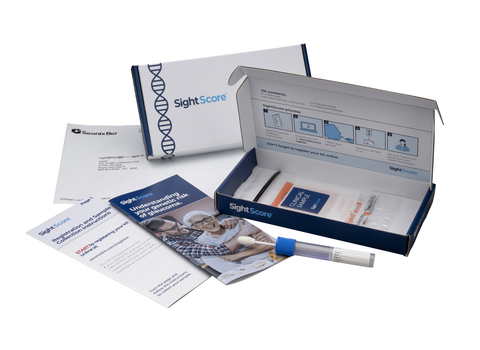
SightScore Glaucoma Test Kit by Seonix Bio
Glaucoma is the leading cause of irreversible blindness worldwide. Early detection is essential because current treatments cannot restore lost vision.
SightScore uses a saliva test to identify individuals at high risk for glaucoma. Using genetic data from more than 6.5 million individuals, SightScore’s PRS was evaluated across independent cohorts representing major ancestry groups. The findings suggest that genetic risk information, used alongside clinical assessments, could help clinicians identify higher-risk patients earlier and better tailor monitoring and treatment decisions.
Key findings:
- Up to 100-fold difference in risk: Across three validation datasets, people in the highest 10% of genetic risk had approximately 100 times the odds of glaucoma compared with those in the lowest 10%.
- Earlier onset at the population level: In a population-based study, the highest-risk group reached a 3% glaucoma prevalence more than 25 years earlier than the lowest-risk group.
- Performance across ancestries: The PRS showed predictive value across European, African, East Asian, South Asian and Latino ancestry groups. In a U.S. African American cohort, the highest-risk 10% had 3.8 times the odds of glaucoma compared with the remainder of the cohort.
- Added value beyond clinical measures: Adding the PRS to models that included age, sex and eye pressure improved glaucoma prediction in U.S. European-, Latino- and African-ancestry cohorts.
Genetic Risk Also Associated With Progression And Surgery
The study also examined longitudinal clinical outcomes in people with suspected or early-stage glaucoma. In a prospective cohort of 1,215 participants, 24% of those in the highest PRS decile had undergone glaucoma surgery by age 80, compared with none in the lowest decile. Higher PRS was also associated with retinal nerve fiber layer loss and an increased likelihood of treatment initiation or escalation within three years.
These findings point to a role for genetic testing in identifying patients who may warrant closer monitoring or earlier specialist evaluation, while helping clinicians consider less intensive surveillance for lower-risk patients. The PRS is intended to complement, not replace, clinical judgment and established assessments.
“Glaucoma care has traditionally relied on clinical measurements that may not fully capture a patient’s inherited risk or predict future disease course,” said Nick Haan, CEO of Seonix Bio. “This research shows the potential of genetic information to add a meaningful dimension to risk assessment, not only helping identify who may develop glaucoma, but also providing insight into who may be more likely to progress and require surgery. Our goal is to make this information useful to clinicians as they work to protect patients’ vision.”
Iqbal “Ike” K. Ahmed, MD, FRCSC, Professor of Ophthalmology at the University of Utah’s John A. Moran Eye Center and Director of the Alan S. Crandall Center for Glaucoma Innovation, is world renowned for his expertise in highly complex eye diseases, stated the following: “A persistent challenge in glaucoma is determining which patients are most likely to progress and may benefit from intervention. These findings are notable because they connect genetic risk not only with disease susceptibility, but also with progression and the likelihood of surgery. Polygenic risk scores increasingly provide important risk information, invisible to conventional testing, that can help clinicians move glaucoma care toward more individualized decisions.”
The work was based on the pioneering research of QIMR Berghofer and Flinders University, with funding from NHMRC and NIH.
Commercialization of this research received grant funding from the Australian Government and the South Australian Government’s Seed-Start program.
The Ophthalmology Publication Comes Ahead Seonix Bio Co Founder’s Keynote at the Interventional Glaucoma Consortium
Taking place November 13–15 in Salt Lake City. Jamie E. Craig, MD, PhD, RANZCO, Professor Ophthalmology at Flinders University and Seonix Bio co-founder and a leading glaucoma researcher, will deliver the keynote lecture on November 14, titled “Using Polygenic Risk to Guide Interventional Glaucoma Approaches.” The lecture will address the potential role of polygenic risk in informing interventional glaucoma care.
About Seonix Bio
Seonix Bio’s (Seonix) mission is to protect vision through genetic risk prediction. Founded in 2019, the company is focusing on revolutionizing glaucoma care with SightScore, a first-in-class polygenic risk score tool. SightScore uses a saliva test to identify individuals at high risk for glaucoma, enabling earlier diagnosis, intervention, and more personalized treatment while also identifying low-risk individuals who may benefit from less frequent monitoring. By leveraging genetic insights, Seonix is helping to enhance both the prevention and management of this sight-threatening condition.
For more information visit seonixbio.com.
View source version on businesswire.com: https://www.businesswire.com/news/home/20261113081799/en/
Media gallery

