Dermatologists Confirm Effective Treatments Available for Common Adult Acne Concerns
Adult acne is a common and real concern, affecting self-esteem and confidence, but dermatologists emphasize that effective treatments exist. The condition can stem from various factors including hormones, genetics, environment, and diet. While mild acne can be managed with over-the-counter…

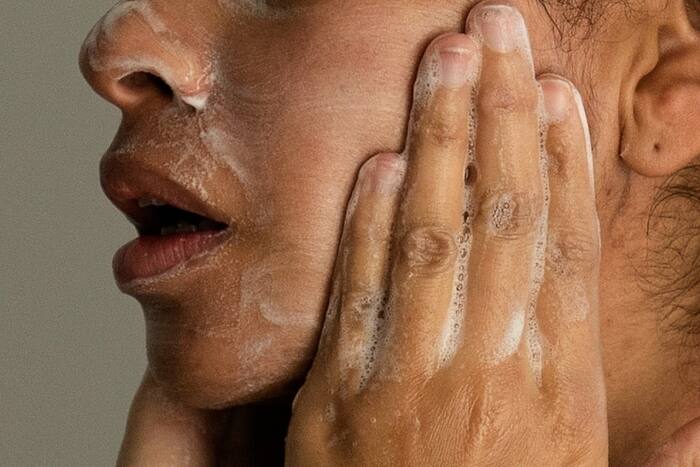
 Detroit, MI, October 10, 2026 — Adult acne is a prevalent issue that significantly impacts individuals’ self-esteem and confidence, yet medical professionals stress that viable treatment options are readily available. The development of acne in adulthood is multifaceted, with potential contributing factors including hormonal fluctuations, genetic predispositions, environmental influences, and dietary habits.
While many individuals with mild forms of acne find relief through over-the-counter (OTC) skincare products, persistent or more severe cases often necessitate a different approach. These more challenging manifestations of acne can lead to lasting discoloration and scarring, underscoring the importance of professional medical advice.
Dermatologists highlight that for persistent or severe adult acne, as well as for addressing its residual effects like discoloration and scarring, seeking expert consultation is crucial. These specialists can provide diagnosis and recommend tailored prescription treatments that are specifically designed to combat the condition effectively. This personalized approach aims to manage breakouts and mitigate the long-term cosmetic consequences.
The underlying causes for adult acne are varied and complex. Hormonal imbalances, a common factor particularly in women, can trigger breakouts. Genetics also plays a role, meaning a family history of acne may increase an individual’s susceptibility. Environmental factors, such as pollution or climate, and certain dietary choices have also been cited as potential triggers or exacerbating elements for some individuals.
Dermatologists advocate for a comprehensive strategy that begins with understanding these potential triggers. For mild acne, a consistent skincare routine incorporating non-comedogenic products and potentially ingredients like salicylic acid or benzoyl peroxide can be beneficial. However, when these measures prove insufficient, a dermatologist can assess the specific type and severity of acne and prescribe medications that may include topical retinoids, antibiotics, or oral contraceptives, depending on the individual’s needs and medical history.
The psychological toll of adult acne is also a significant consideration. The persistent nature of the condition can affect social interactions and overall mental well-being. Experts emphasize that by addressing the physical symptoms through appropriate dermatological care, the associated confidence and self-esteem issues can also be alleviated.
Story summarized from the original created by Adithi Ramakrishnan, Associated Press on www.clickondetroit.com, see more information here.
Media gallery